I rented a bicycle from the kiosk near Marine Parade because my own had a flat I kept meaning to fix and never did. The man at the counter adjusted the seat without asking my height — he looked at my legs the way a tailor looks at shoulders — and handed me a helmet that smelled faintly of the last person who wore it. I did not mind. Shared things have their own honesty.
The path was busy in the way East Coast always is on a weekday afternoon: families with picnic mats, joggers in pairs, delivery riders cutting through on personal mobility devices with a confidence I will never have. I pedalled slowly on purpose, letting faster cyclists overtake me on the left, feeling the wind push against my face with a salt edge that no air-conditioning can replicate.
My thighs burned in a pleasant, honest way. The tyres hummed on the paved track. Casuarina needles littered the edges and crunched when I drifted too close to the grass. Somewhere behind the trees I could hear the sea — not see it yet, but hear it, that particular roll and withdraw, roll and withdraw, like someone breathing through a long sentence.
The sea does not ask what you came for. It just keeps arriving at the shore and leaving again.
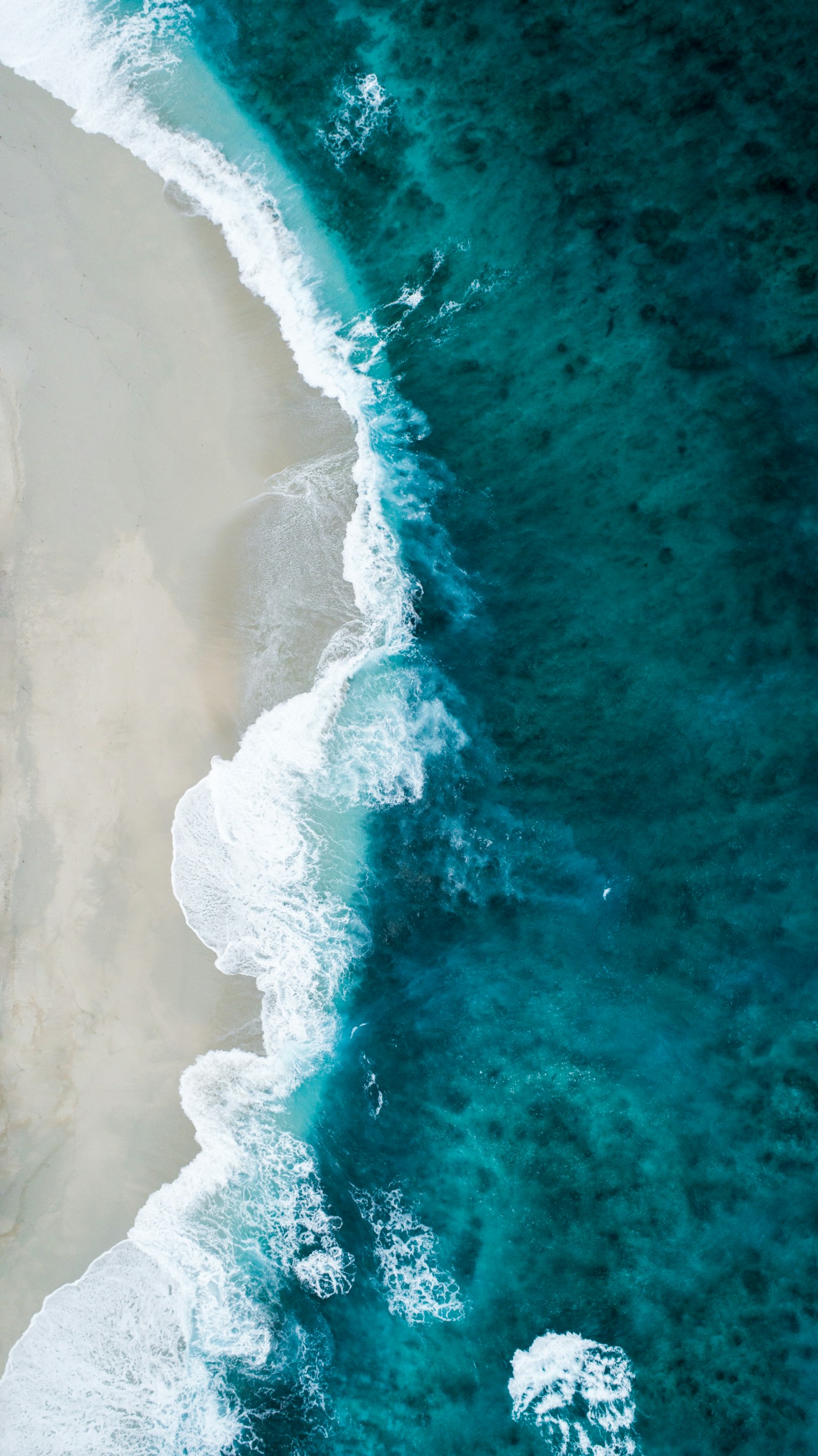
I rode until the path opened and the water appeared all at once, wide and flat and the colour of diluted jade. Ships sat on the horizon like punctuation marks too far away to read. I got off the bicycle and walked the last stretch on the sand, shoes in hand, feeling the grains shift and give under my soles — cool where the tide had recently retreated, warm where the sun had been working longer.
That is when I found the bench. Not a single seat but a long wooden bench, the kind that runs along some parts of the park connector, bleached grey by sun and salt, bolted to a low concrete plinth. It faced the water directly. Most of the bench was empty. An elderly man sat at the far end with a cane propped beside him, looking at nothing in particular and seeming entirely content with that.
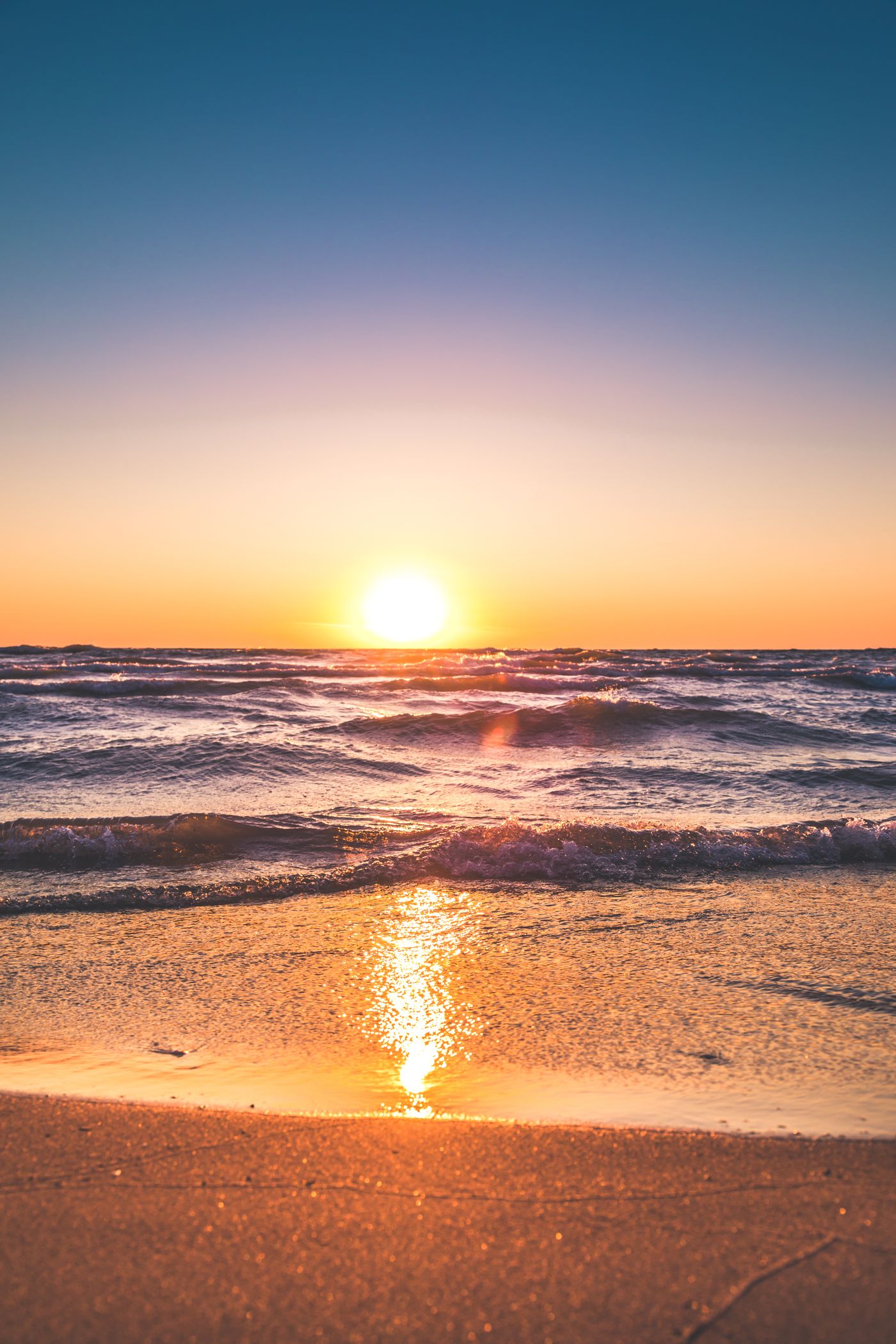
I sat in the middle, where the wood had absorbed the most heat. It pressed warmth back into the backs of my legs through my thin cotton trousers. The sea breeze lifted my hair off my neck and carried the smell of salt and barbecue smoke from somewhere further down the beach — someone grilling satay early, or maybe yesterday’s smoke still clinging to the air. Hard to tell. Smells here linger differently than they do in the HDB corridor.
I stayed longer than I had planned. I watched a boy chase a kite that did not want to come down. I watched a couple take photographs of each other’s shoes against the sand, an odd choice that somehow made sense from a distance. A dog ran in and out of the shallows, barking at waves as if they were personal insults. The elderly man at the end of the bench stood eventually, nodded once in my general direction — not quite at me — and walked away with the careful pace of someone who has made peace with slowness.
I thought about nothing useful for a while, which is rarer than it should be. No lists. No replayed conversations. Just the bench, the breeze, the sound of the sea rearranging itself every few seconds. My phone buzzed once in my pocket and I did not look at it. Whatever it was could wait for the tide to turn, or for me to turn back, whichever came second.
When I finally stood, my legs had the slight wobble of someone who has been sitting too still. I walked the bicycle back to the path, mounted it, and pedalled north toward Bedok. The return ride was easier — wind at my back, salt drying on my arms into a fine crust I could feel when I rubbed my forearms. I returned the bicycle with seventeen minutes to spare on the rental. The kiosk man nodded the way the elderly man had nodded, and I rode the bus home with sand still in the folds of my shoes.
That evening I found grains on my bathroom floor and did not sweep them up immediately. They were small and insistent, a reminder that I had sat on a long bench facing the sea and for a little while had nowhere else the afternoon needed me to be.