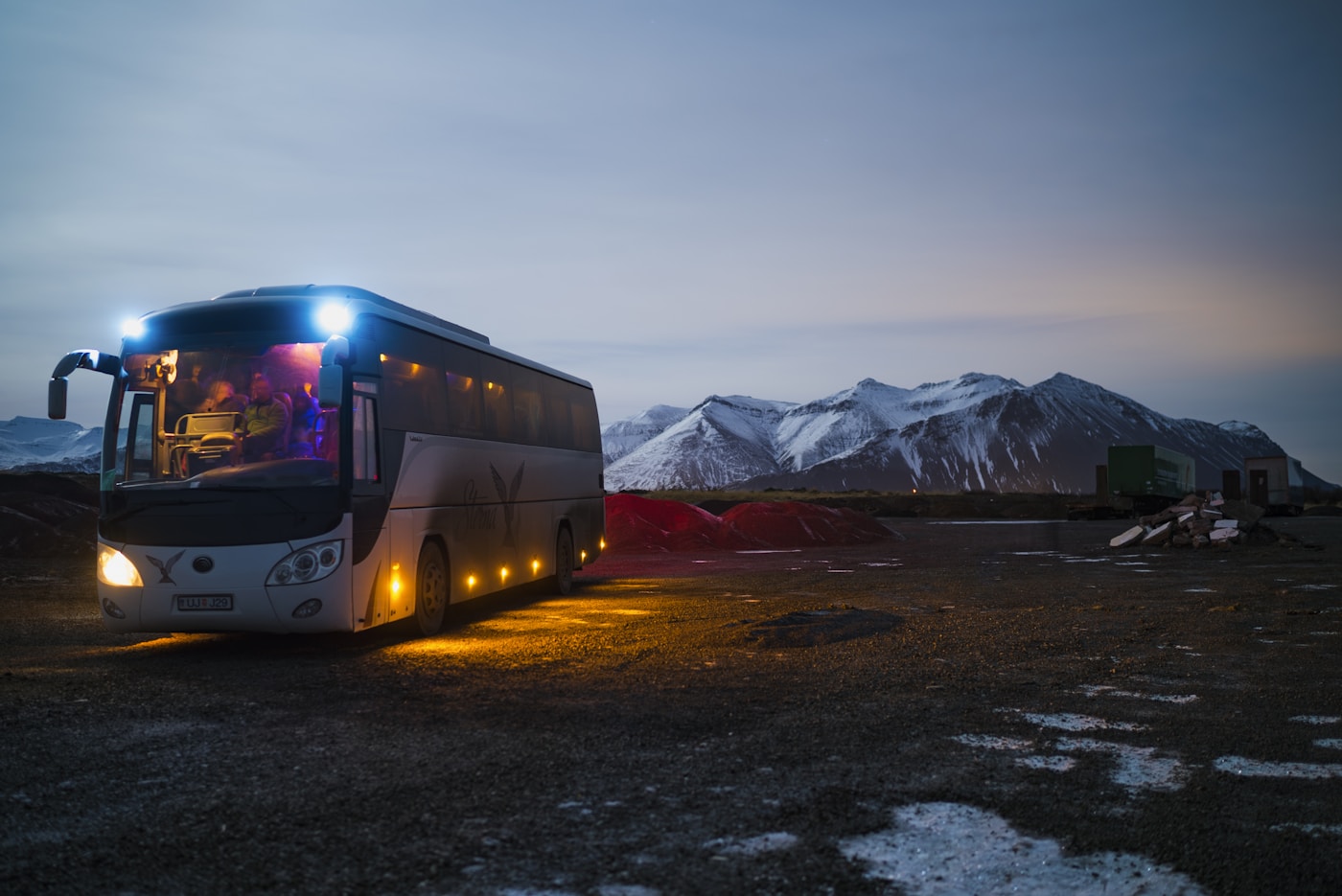
I took the bus that evening because my EZ-Link had run dry and the top-up machine at the MRT was out of order — a small mechanical refusal that sent me upstairs to the interchange with exactly enough coins for one fare and no backup plan. I counted them twice in my palm: two fifty-cent pieces, one twenty, one ten. The bus I needed was already boarding at berth three.
The queue moved with the patient efficiency of people who ride the same route often enough to know which door opens fastest. I shuffled forward, coins ready, and reached the front just as the woman ahead of me paused at the fare reader. She tapped her card. Nothing happened. She tapped again, harder, as if force could persuade electronics. The reader blinked red both times.
She opened her wallet. Empty slot where the card should have been. She checked her pockets — left, right, coat, bag — with the escalating speed of someone realising the mistake is real. Behind her the queue breathed differently. Not hostile, not yet, but compressed, the way air compresses before a door closes.
Kindness at a bus stop rarely announces itself. It arrives as a hand extended without speech.
I had coins for one person. She needed a fare. I stepped forward and held out my twenty-cent piece and both fifty-cent pieces toward the driver, and said, quietly, “Both, please.” The driver looked at me, looked at her, and nodded once. She boarded without a word. I followed, dropped my remaining ten cents into the slot, and found a seat two rows back where the window still had a clear view of the interchange pulling away.
She sat somewhere near the front. I did not watch her deliberately, but I noticed when she turned her head slightly — not enough to meet my eyes, just enough to acknowledge that something had happened between the berth and the seat. No smile. No thank you spoken aloud. A slight incline of the chin, barely visible in the reflection of the window glass. I inclined mine back and looked out.
The bus turned onto Bedok North Avenue and the interchange receded behind a row of shophouses. Inside the cabin the air-conditioning was set too cold, the way it always is on service 16, and the smell was a mixture of hand sanitiser and someone's takeaway curry still sealed in a plastic bag under the seat across the aisle. The engine had a low vibration that travelled up through the floor into the base of my spine — a rhythm I find oddly settling, like being carried on something larger than my own legs.
An uncle dozed with his head against the window, mouth slightly open, ticket still pinched between two fingers as if he might need to produce it in a dream. A student typed on a laptop balanced on her knees, the screen brightness turned low. At the next stop a mother lifted a toddler off the seat, smoothed the child's hair, and stepped down without looking back. The bus is full of small completions like that — arrivals and departures that leave no record except in the bodies of the people who made them.
I got off three stops later, near the market, and walked the rest of the way home through the covered linkway. My wallet was lighter by one fare I had not planned to spend, but my palm did not feel empty. It felt the way your hand feels after you have passed something to someone and the object is gone but the gesture remains, briefly, in the muscles.
I do not know if the woman needed that exact help or if she would have found another way — asked the driver, borrowed from someone else, walked instead. I know only what I did, and what the bus carried for a few stops: two fares paid in coins, one nod exchanged in a reflection, and the ordinary sound of tyres on asphalt carrying us both toward our separate evenings.
Bedok interchange is loud in the way public places are loud — announcements overlapping, footsteps, engines — but what I remember from that ride is how quiet the kindness was. No speech. No performance. Just coins on a reader and a seat taken before the doors closed again.